

Charpy Impact Testing Machine
Jinan Kason: Leading Professional Charpy Impact Testing Machine Manufacturer and Supplier in China
We have specialized in developing and manufacturing metal, non-metal and composite material testing equipment for many years and have served customers from more than 150 countries and regions. As a professional testing equipment factory, our advantages are specifically reflected in
Complete Production Facilities
Our company has production and office facilities such as scientific research office building, electrical installation and commissioning building, final assembly workshop, heavy machine workshop, machining workshop, blanking workshop, painting workshop, measuring room, product showroom, etc.
Diverse Product Types
Our main products include hydraulic universal testing machines, electronic universal testing machines, compression testing machines, spring testing machines, impact testing machines, torsion testing machines, hardness testers, and testing machine accessories.
Rich Service Experience
Our products are exported to international markets such as Germany, the United States, Spain, Australia, Italy, South Africa, South Korea, Pakistan, Malaysia, Thailand, and Singapore. We have a professional pre-sale, sales and after-sales service team to provide strong technical support and professional services to domestic and foreign users.
Professional Qualification Certification
Our company has successfully passed ISO9001 quality system, ISO14000 environmental management system, occupational health and safety management system, and CE certification. The company has obtained a total of 22 authorized national patents, including 2 national invention patents, 13 national utility model patents, and 7 national design patents.
-
![Computer Control And Digital Display Pendulum Impact Testing Machine]() Computer Control And Digital Display Pendulum Impact Test...KASON PIT-CTW Computer Control and digital display Pendulum Impact Testing Machine(300J/450J/600/750J)read more
Computer Control And Digital Display Pendulum Impact Test...KASON PIT-CTW Computer Control and digital display Pendulum Impact Testing Machine(300J/450J/600/750J)read more -
![Digital Display Metal Pendulum Impact Testing Machine]() Digital Display Metal Pendulum Impact Testing MachineThis impact testing machine is used to measure the impact resistance performance of metal materials under dynamic load, so as to judge the quality status of materials under dynamic load. This...read more
Digital Display Metal Pendulum Impact Testing MachineThis impact testing machine is used to measure the impact resistance performance of metal materials under dynamic load, so as to judge the quality status of materials under dynamic load. This...read more -
![2000J Drop Weight Impact Testing Machine]() 2000J Drop Weight Impact Testing MachineThis type of machine is specially for conducting drop-weight test to determine nil-ductility transition (NDT) temperature of ferritic steelsread more
2000J Drop Weight Impact Testing MachineThis type of machine is specially for conducting drop-weight test to determine nil-ductility transition (NDT) temperature of ferritic steelsread more -
![Drop Hammer ImpactT Esting Machine]() Drop Hammer ImpactT Esting MachineThe drop hammer impact test machine is mainly used for drop weight tear test of pipeline steel, thick steel and ferritic steel, namely DWTT test.read more
Drop Hammer ImpactT Esting MachineThe drop hammer impact test machine is mainly used for drop weight tear test of pipeline steel, thick steel and ferritic steel, namely DWTT test.read more -
![Rubber Low Temperature Brittleness Testing Machine]() Rubber Low Temperature Brittleness Testing MachineRubber Low Temperature Brittleness Testing Machineread more
Rubber Low Temperature Brittleness Testing MachineRubber Low Temperature Brittleness Testing Machineread more -
![Impact Test Low-temperature Chamber]()
-
![-196℃ Impact Testing Low Temperature Chamber]() -196℃ Impact Testing Low Temperature ChamberCDW-196Y -196℃ Impact Testing Low Temperature Chamberread more
-196℃ Impact Testing Low Temperature ChamberCDW-196Y -196℃ Impact Testing Low Temperature Chamberread more -
![-100℃ Impact Testing Low Temperature Chamber]()
-
![-80℃ Impact Testing Low Temperature Chamber]() -80℃ Impact Testing Low Temperature ChamberKASON CDW-80 -80℃ Impact Testing Low Temperature Chamberread more
-80℃ Impact Testing Low Temperature ChamberKASON CDW-80 -80℃ Impact Testing Low Temperature Chamberread more -
![-60℃ Impact Testing Low Temperature Chamber]() -60℃ Impact Testing Low Temperature ChamberKASON CDW-60 -60℃ Impact Testing Low Temperature Chamberread more
-60℃ Impact Testing Low Temperature ChamberKASON CDW-60 -60℃ Impact Testing Low Temperature Chamberread more -
![-40℃ Impact Testing Low Temperature Chamber]() -40℃ Impact Testing Low Temperature ChamberKASON CDW-40 -40℃ Impact Testing Low Temperature Chamberread more
-40℃ Impact Testing Low Temperature ChamberKASON CDW-40 -40℃ Impact Testing Low Temperature Chamberread more -
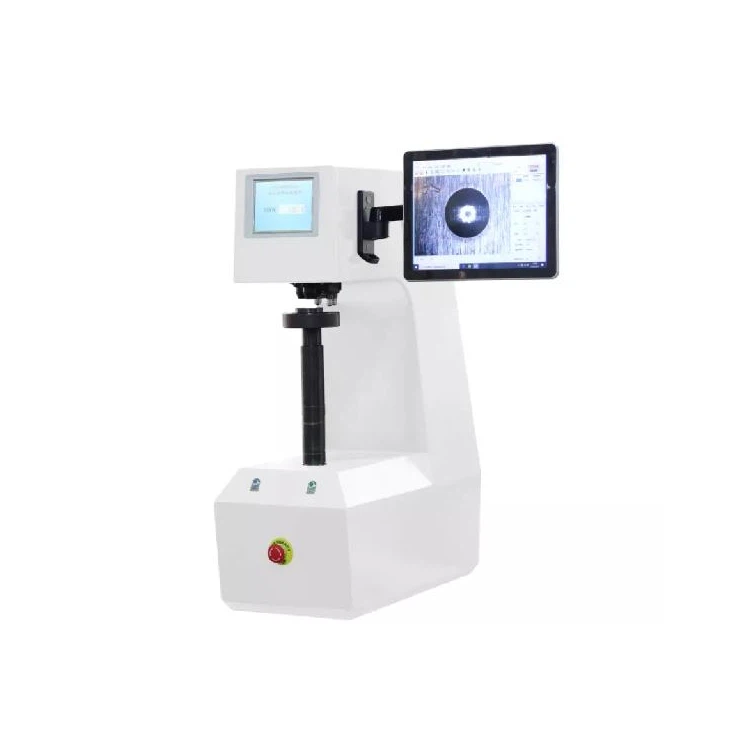
![Impact Specimen Notch Imaging Instrument]()


Brief Introduction to Charpy Impact Testing Machines
Charpy impact testing machines are one of the most commonly used testing devices used to determine the amount of force absorbed by a material when it reaches its breaking point. They have a pendulum of known length and mass. With Charpy impact testing, users can easily analyze the strength of materials. Quantitative results from testing can help understand the amount of force a material can absorb when it reaches the point of breakage or failure. Qualitative results from the testing procedure can provide information about the ductility of the material being tested.
Main Parts of Charpy Impact Testing Machines

Pendulum
A pendulum is an oscillating weight that acts as the impact element during impact testing. It is usually a heavy metal arm of specified mass and length. The pendulum is raised to a specific height and released to impact the test sample.

Striking Edge
The pendulum is equipped with a striking edge, also called a hammer or striker. This edge contacts the test specimen and transmits impact forces during the test. Impact edges are typically made of hardened steel to ensure consistent and accurate results.

Anvil
An anvil is a solid support or base on which a test specimen is placed. It provides stability and a fixed reference point for impact testing. The anvil is designed to withstand impact without deforming.

Sample Rack
The sample holder or clamping mechanism holds the specimen in a fixed position during the impact test. It ensures that the sample is properly aligned and positioned for accurate impact force application.

Depth Scale
The release mechanism is responsible for releasing the pendulum and allowing it to swing freely to impact the test specimen. It can be operated manually or automatically, depending on the design of the Izod impact testing machine.
Release Mechanism
The release mechanism is responsible for releasing the pendulum and allowing it to swing freely to impact the test specimen. It can be operated manually or automatically, depending on the design of the Izod impact testing machine.

Measurement and Display Systems
Charpy impact testing machines are equipped with measurement and display systems to capture and display test results. The system may include a digital display showing the amount of energy absorbed by the sample during impact. Some testers also offer the ability to capture and store test data for further analysis.

Security Features
Charpy impact testing machines often have safety features to protect the operator during testing. This may include safety guards or enclosures to prevent contact with moving parts, emergency stop buttons, and other safety mechanisms to ensure safe operation.
Benefits of Charpy Impact Testing Machines
Help Test Samples
By testing samples from different batches or suppliers, these Charpy impact testing machines can identify any changes in material properties and make informed decisions about whether the material is suitable for a specific application.
Improve Product Safety
Engineers can evaluate how a material behaves under unexpected loading conditions by subjecting it to controlled impact forces. This information helps to design structures or components that can withstand potential impacts, thereby ensuring the safety of workers and the public.
Ensure Products Meet Standards
Using a Charpy impact testing machine, manufacturers can comply with these standards by providing quantitative data on a material's toughness and impact resistance. Complying with these standards ensures that products meet the necessary standards of safety and reliability.
Save Unnecessary Expenses
Charpy impact testing machine optimizes material selection and avoids unnecessary expense due to over-engineering or underperforming materials. Additionally, identifying material weaknesses or defects early in the testing process can prevent costly failures or recalls.
Charpy Impact Testing Machines Parameters (Take Plastic Material Charpy Impact Testing Machine as an Example)
| Display | Touch screen | |
| Impact velocity | 2.9m/s | 3.8m/s |
| Impact energy | (0.5J), 1J, 2J, 4J, 5J | 7.5J, 15J, 25J, 50J |
| Impact center distance | 230mm | 395mm |
| Pendulum angle | 150° | 150° |
| Radius of striking edge | R=2±0.5mm | R=2±0.5mm |
| Radius of jaw | R=1±0.1mm | R=1±0.1mm |
| Inclined angle of striking edge | 30±l° | 30±l° |
| Energy display resolution | 0.01J | 0.01J |
| Jaw support spacing | 40, 60, 62, 70mm | 40, 60, 70, 95mm |
| Dimensions | 420×260×630mm | 460×330×745mm |
| Output method | Printout | |
| Power | 220V,50Hz | |

Types of Impact Testing
Four types of impact testing, including pendulum, falling weight, and dynamic tearing, are described in detail below:
Charpy
The Charpy impact test, also known as the V-notch test, is an impact test in which a weighted pendulum is released from a specified height and strikes the part. A Charpy impact testing machine is a device with a pendulum with multiple locking points at a specified height and a clamp that holds the specimen, used to determine Charpy impact strength. Charpy impact testing is most commonly used on ductile materials such as metals and thermoplastics. This test can be performed at different temperatures and is often used to determine the ductile-to-brittle transition temperature of a material.
Izod
The Izod impact test is similar to the Charpy test in that a weighted pendulum is used to impact a specimen containing a V-shaped notch. The Izod impact testing machine is used to measure the Izod impact strength. The test procedure for the cantilever test is otherwise identical to the Charpy test. First prepare the test sample and install it into the machine. The pendulum is then raised to a specified height and released to strike the upper end of the sample. Izod testing is governed by ASTM D256 and is most commonly used for thermoplastics. However, it can also be used on metals. Like the Charpy test, the Izod test is used to determine the toughness of a material and its ductile-to-brittle transition temperature.
Drop Weight Impact Test
The drop weight impact test, also known as the Perini test, uses a weight suspended from a simply supported horizontal specimen and then dropped to create an impact. The test piece in the drop weight impact test has a notch, and a heavy object falls on the surface opposite to the notch. Like the other impact tests described previously, the drop weight impact test is often used to test the ductile to brittle transition temperature of a material.
Dynamic Tear Test
The dynamic tear test is similar to the drop weight impact test. In the dynamic tear test, the notched test specimen is supported only at both ends. Drop the heavy object on the surface opposite to the notch side, so that the test piece is subjected to bending impact load and three-point bending. The main difference between the drop weight impact test and the dynamic tear test is that the dynamic tear test is usually used on specimens less than 5/8-inch-thick, while the drop weight impact test is used on specimens thicker than 5/8 inch.
Standard Operating Procedure to Perform the Test Using Charpy Impact Tester
The general steps to perform the lzod or Charpy impact test are as follows
Cut standardized specimens of the material to be tested in accordance with relevant standards. The specimen should have a notch to create a stress concentration point where fracture will occur during testing.
Secure the sample in the impact tester's clamp, making sure it is properly aligned and perpendicular to the direction of impact. Adjust the pendulum height and angle according to standard requirements.
Make sure the impact tester is calibrated correctly and that the pendulum has the correct energy level for the test.
Raise the pendulum to the appropriate height, release it, and allow it to impact the specimen. The impact will cause the specimen to break and the pendulum will continue to swing upward.
A measure of the energy absorbed by a specimen during fracture, usually recorded in joules per meter. Repeat the test several times and take the average.
Compare test results to relevant standard requirements or material specifications. Evaluate the toughness of a material and determine whether it meets the necessary standards for its intended application.
Document test results in a report, including sample information, test conditions, and results obtained.
Typical Application of Charpy Impact Testing Machines
Aerospace
The aerospace industry uses these Charpy impact testers to measure the impact resistance of various materials used in aircraft components such as wings and fuselages.
Automotive
The automotive industry uses these Charpy impact testers to evaluate the impact resistance of materials used to make automotive parts such as bumpers and body panels.
Construction
The construction industry uses these Charpy impact testers to measure the impact resistance of building materials such as concrete and steel.
Manufacturing
Manufacturers use these Charpy impact testing machines to ensure the quality and reliability of materials used in the production of consumer goods such as appliances and electronics.
Military and Defense
The military and defense industries use these Charpy impact testing machines to evaluate the impact resistance of materials used in the manufacture of vehicles, armor and other equipment.
Research And Development
Researchers and engineers use these Charpy impact testing machines to develop and test new materials for a variety of applications, such as sports equipment, medical equipment, and industrial machinery.
Our Certifications
Our company has obtained the following certificates

Factory Pictures
Below are photos of our factory for you to view


FAQ
Q: What is an impact testing machine?
Q: What is the difference between a non-instrumented and instrumented impact testing machine?
Q: What is the importance of simply supported beam impact testing?
Q: How to calculate Charpy impact test?
Q: What are the units of simply supported beam impact test?
Q: What is Charpy impact test standard?
Q: What is the temperature for a simply supported beam impact test?
Q: What are the two types of results given by the Charpy impact testing machine?
Q: What is the use of Charpy impact testing machine?
Q: What are the factors that affect the results of Charpy impact testing machine?
Q: What are the results of Charpy impact testing of high-strength materials?
Q: What are the Charpy impact test results for low-strength materials?
Q: What is the difference between Charpy impact testing machine and Izod impact strength testing machine?
Q: Are Charpy impact testers important in 3D Printing?
Q: What type of machine is used to test the impact strength of a plastic?
Q: What is ASTM Charpy impact test standard?
We're well-known as one of the leading charpy impact testing machine manufacturers in China. Please rest assured to buy high quality charpy impact testing machine for sale here from our factory. For price consultation, contact us.
Digital Display Hydraulic Universal Testing Machine, Computer Control Electro hydraulic Universal Testing Machine, Concrete Strength Testing Machine