

Yo, folks! Today, I wanna talk about something super interesting in the world of materials - the Brinell hardness range of copper alloy. As a supplier of Brinell Hardness Testers, I've seen firsthand how important it is to understand the hardness of different materials, especially copper alloys.
So, what exactly is Brinell hardness? Well, it's a measure of a material's resistance to permanent indentation. We use a Brinell hardness tester to press a hard ball (usually made of tungsten carbide) into the surface of the material with a specific load for a set amount of time. Then, we measure the diameter of the indentation left behind. The Brinell hardness number (BHN) is calculated based on the load and the surface area of the indentation.
Now, let's get into copper alloys. Copper alloys are mixtures of copper with other elements like zinc, tin, aluminum, or nickel. These alloys are used in a wide range of applications, from electrical wiring to plumbing, and even in the aerospace industry. The reason for their popularity is their excellent combination of properties, including good electrical and thermal conductivity, corrosion resistance, and mechanical strength.
The Brinell hardness range of copper alloys can vary quite a bit depending on the specific alloy and its heat treatment. Generally speaking, pure copper has a relatively low Brinell hardness, usually around 35 - 45 BHN. But when we start adding other elements to form alloys, the hardness can increase significantly.
For example, brass, which is an alloy of copper and zinc, can have a Brinell hardness ranging from about 50 - 200 BHN. The exact hardness depends on the zinc content and the manufacturing process. A brass alloy with a higher zinc content will typically be harder than one with a lower zinc content.
Bronze, an alloy of copper and tin, also has a wide Brinell hardness range. It can be anywhere from 60 - 250 BHN. Again, the hardness is influenced by the tin content and other factors like the presence of additional alloying elements and the heat treatment.
Aluminum bronze, which contains copper, aluminum, and sometimes other elements like iron or nickel, is one of the harder copper alloys. Its Brinell hardness can range from 150 - 350 BHN. This high hardness makes it suitable for applications where wear resistance is important, such as in bearings and gears.
So, why is it important to know the Brinell hardness range of copper alloys? Well, for manufacturers, it helps them select the right alloy for a specific application. If they need a material that can withstand high loads and wear, they'll choose a harder copper alloy. On the other hand, if they need a material with good formability and conductivity, a softer alloy might be more appropriate.
As a Brinell Hardness Tester supplier, we offer a variety of testers to meet different needs. For those who want a simple and reliable tester, our Electronic Digital Brinell Hardness Tester is a great choice. It provides accurate and easy-to-read hardness measurements.
If you're looking for a more automated solution, our Automatic Brinell Hardness Tester is the way to go. It can perform multiple tests quickly and efficiently, saving you time and effort.
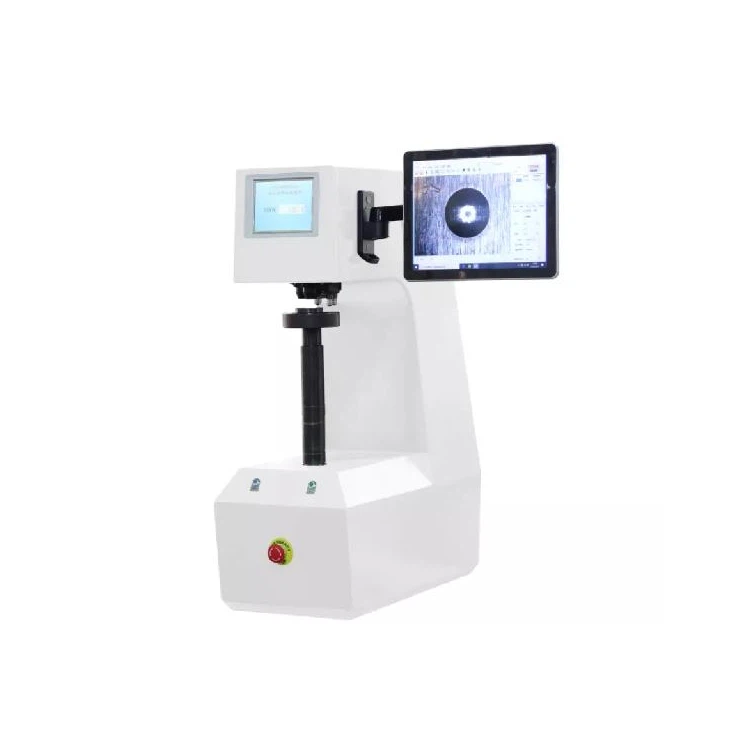
And for those who prefer a modern and user-friendly interface, our Touch Screen Brinell Hardness Tester is perfect. It allows you to operate the tester with just a few taps on the screen.
Whether you're a small workshop or a large manufacturing plant, having the right Brinell hardness tester is essential for ensuring the quality of your copper alloy products. By accurately measuring the hardness, you can make sure that your products meet the required specifications and perform well in their intended applications.
If you're interested in learning more about our Brinell hardness testers or have any questions about the Brinell hardness range of copper alloys, don't hesitate to reach out. We're here to help you make the right choice for your testing needs.
In conclusion, understanding the Brinell hardness range of copper alloys is crucial for anyone working with these materials. It helps in material selection, quality control, and product performance. And with our range of Brinell hardness testers, you can easily and accurately measure the hardness of your copper alloy samples. So, if you're in the market for a reliable hardness tester, give us a shout, and let's start a conversation about how we can meet your requirements.
References

- ASM Handbook Volume 2: Properties and Selection: Nonferrous Alloys and Special-Purpose Materials
- Metals Handbook Desk Edition, Third Edition