

As a supplier of Brinell Hardness Testers, I understand the importance of effectively handling the test data obtained from these instruments. The Brinell hardness test is a widely used method for determining the hardness of materials, and the data collected can provide valuable insights into the material's properties and quality. In this blog post, I will share some best practices for handling Brinell hardness test data, ensuring its accuracy, reliability, and usefulness.

Understanding Brinell Hardness Testing
Before delving into data handling, it's essential to have a basic understanding of the Brinell hardness test. The test involves applying a known load to a hard steel or carbide ball of a specified diameter, which is pressed into the surface of the test material for a set period. The diameter of the resulting indentation is then measured, and the Brinell hardness number (BHN) is calculated using a specific formula. This number represents the material's resistance to indentation and is an indicator of its hardness.
Ensuring Accurate Data Collection
The first step in handling Brinell hardness test data is to ensure its accuracy during the collection process. This involves several key considerations:
- Calibration of the Tester: Regular calibration of the Brinell Hardness Tester is crucial to ensure accurate and consistent results. Calibration should be performed according to the manufacturer's recommendations and industry standards. For high - precision testing, consider using Brinell Hardness Test Machine models that offer advanced calibration features.
- Proper Sample Preparation: The test sample should be prepared carefully to ensure a flat, smooth surface. Any irregularities or contaminants on the surface can affect the accuracy of the indentation measurement. The sample should also be large enough to accommodate the indentation without interference from the edges.
- Correct Indentation Measurement: The diameter of the indentation should be measured accurately using a calibrated measuring device, such as a microscope or an optical measuring system. Multiple measurements may be taken at different points around the indentation to ensure an average value that represents the true size of the indentation.
Recording and Organizing Data
Once the test data is collected, it needs to be recorded and organized in a systematic manner. Here are some tips for effective data recording:
- Use a Standardized Data Sheet: Design a data sheet that includes all the necessary information, such as the sample identification, test date, applied load, ball diameter, indentation diameter, and calculated Brinell hardness number. This ensures consistency in data recording and makes it easier to analyze and compare results.
- Digital Data Storage: Consider using digital data storage methods, such as spreadsheets or dedicated hardness testing software. Digital storage allows for easy data manipulation, analysis, and retrieval. It also reduces the risk of data loss due to physical damage or misplacement of paper records.
- Data Backup: Regularly back up your data to prevent loss in case of system failures or other unforeseen events. External hard drives, cloud storage, or network - attached storage can be used for data backup.
Analyzing Brinell Hardness Data
Analyzing the Brinell hardness data can provide valuable information about the material's properties and quality. Here are some common methods of data analysis:
- Statistical Analysis: Calculate statistical parameters such as the mean, median, standard deviation, and range of the hardness values. These parameters can help identify any variations in the material's hardness and determine the consistency of the test results.
- Trend Analysis: Plot the hardness values over time or across different samples to identify any trends. Trends can indicate changes in the manufacturing process, material composition, or environmental conditions that may affect the material's hardness.
- Comparison with Standards: Compare the measured Brinell hardness values with industry standards or specifications for the material. This can help determine whether the material meets the required quality standards and whether any corrective actions are needed.
Reporting and Communicating Data
The final step in handling Brinell hardness test data is to report and communicate the results effectively. Here are some guidelines for creating a comprehensive test report:
- Clear and Concise Format: Present the data in a clear and concise format, using tables, graphs, and charts to illustrate the key findings. Include a summary of the test results, any conclusions drawn from the analysis, and recommendations for further action if necessary.
- Audience - Specific Reporting: Tailor the report to the intended audience. For technical audiences, provide detailed information about the test method, data analysis techniques, and statistical results. For non - technical audiences, focus on the key findings and their implications.
- Sharing and Dissemination: Share the test report with relevant stakeholders, such as quality control departments, manufacturing teams, and customers. Ensure that the report is accessible and easy to understand.
Leveraging Advanced Brinell Hardness Testers
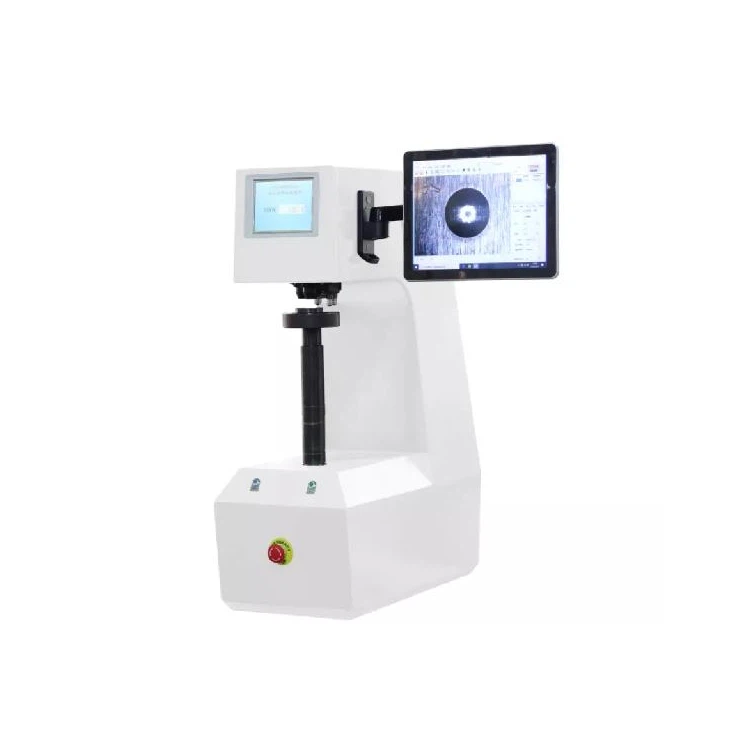
To enhance the data handling process, consider using advanced Brinell Hardness Testers such as Automatic Brinell Hardness Tester and Electronic Digital Brinell Hardness Tester. These testers offer several advantages:
- Automated Data Collection: Automatic testers can collect data automatically, reducing the risk of human error and increasing the efficiency of the testing process. They can also store the data directly in a digital format, making it easier to transfer and analyze.
- Digital Display and Analysis: Electronic digital testers provide a digital display of the test results, which is more accurate and easier to read than traditional analog displays. Some models also offer built - in data analysis functions, such as statistical calculations and trend analysis.
Conclusion
Handling Brinell hardness test data effectively is essential for ensuring the quality and reliability of materials. By following the best practices outlined in this blog post, including accurate data collection, proper recording and organization, in - depth analysis, and clear reporting, you can make the most of the data obtained from your Brinell Hardness Tester.
If you are in the market for a high - quality Brinell Hardness Tester or need further assistance with data handling and analysis, we are here to help. Our team of experts can provide you with the right equipment and support to meet your specific testing needs. Contact us to start a procurement discussion and take your hardness testing to the next level.
References
- ASTM E10 - 18, Standard Test Method for Brinell Hardness of Metallic Materials.
- ISO 6506 - 1:2014, Metallic materials — Brinell hardness test — Part 1: Test method.